


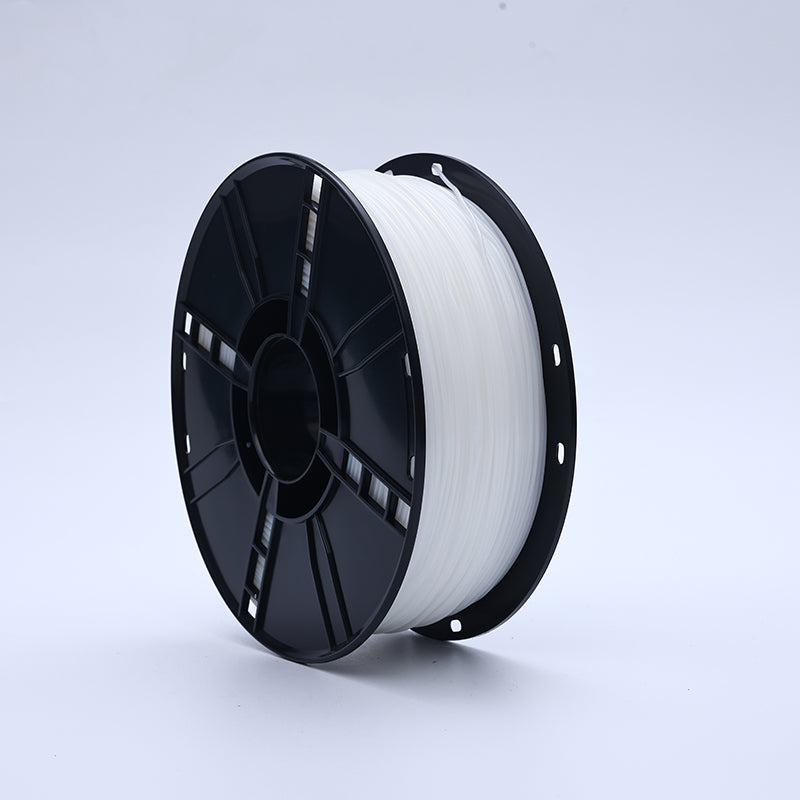
Polypropylene Filament: Lightweight · Chemical Resistant · Excellent Fatigue Performance
A Versatile Engineering Material for Functional Applications
Honsment PP is a high-performance polypropylene filament designed for applications requiring lightweight properties, excellent chemical resistance, low moisture absorption, and outstanding fatigue resistance.
As one of the most widely used engineering plastics in the world, polypropylene offers a unique combination of toughness, flexibility, and durability, making it ideal for functional parts that require repeated movement and long-term reliability.
Honsment PP is engineered for professionals seeking a reliable material for mechanical components, living hinges, containers, and industrial applications.
The Advantages of Polypropylene
Excellent Chemical Resistance
PP provides outstanding resistance against many chemicals, oils, and solvents.
Suitable for applications involving:
✓ Chemical exposure
✓ Laboratory environments
✓ Industrial containers
✓ Fluid handling components
Lightweight and Durable
With one of the lowest densities among engineering plastics, PP enables lightweight yet durable parts.
Benefits:
✓ Reduced component weight
✓ High impact resistance
✓ Excellent toughness
Ideal for lightweight functional designs.
Superior Fatigue Resistance
Polypropylene has excellent resistance to repeated bending and mechanical cycling.
Perfect for:
- Living hinges
- Snap-fit components
- Flexible joints
- Moving mechanisms
Low Moisture Absorption
Compared with nylon materials, PP absorbs very little moisture.
Advantages:
✓ Stable dimensions
✓ Consistent mechanical properties
✓ Easy storage and handling
Recommended Applications
| Industry | Applications |
|---|---|
| Automotive | Clips, brackets, fluid components |
| Packaging | Containers, functional prototypes |
| Electronics | Protective housings |
| Mechanical | Hinges and moving parts |
| Laboratory | Chemical-resistant components |
| Consumer Products | Lightweight functional parts |
Printing Recommendations
| Parameter | Recommended Setting |
|---|---|
| Nozzle Temperature | 220–250°C |
| Build Plate Temperature | 80–100°C |
| Printing Surface | PP-compatible build surface recommended |
| Enclosure | Recommended for large parts |
| Drying Temperature | 60–70°C |